
Love Is More Than Affection: How to Truly Love Your Pet Through a Whole Pet Wellness Lens
With Kimbery Artley, Dir. of Pet Health and Longevity
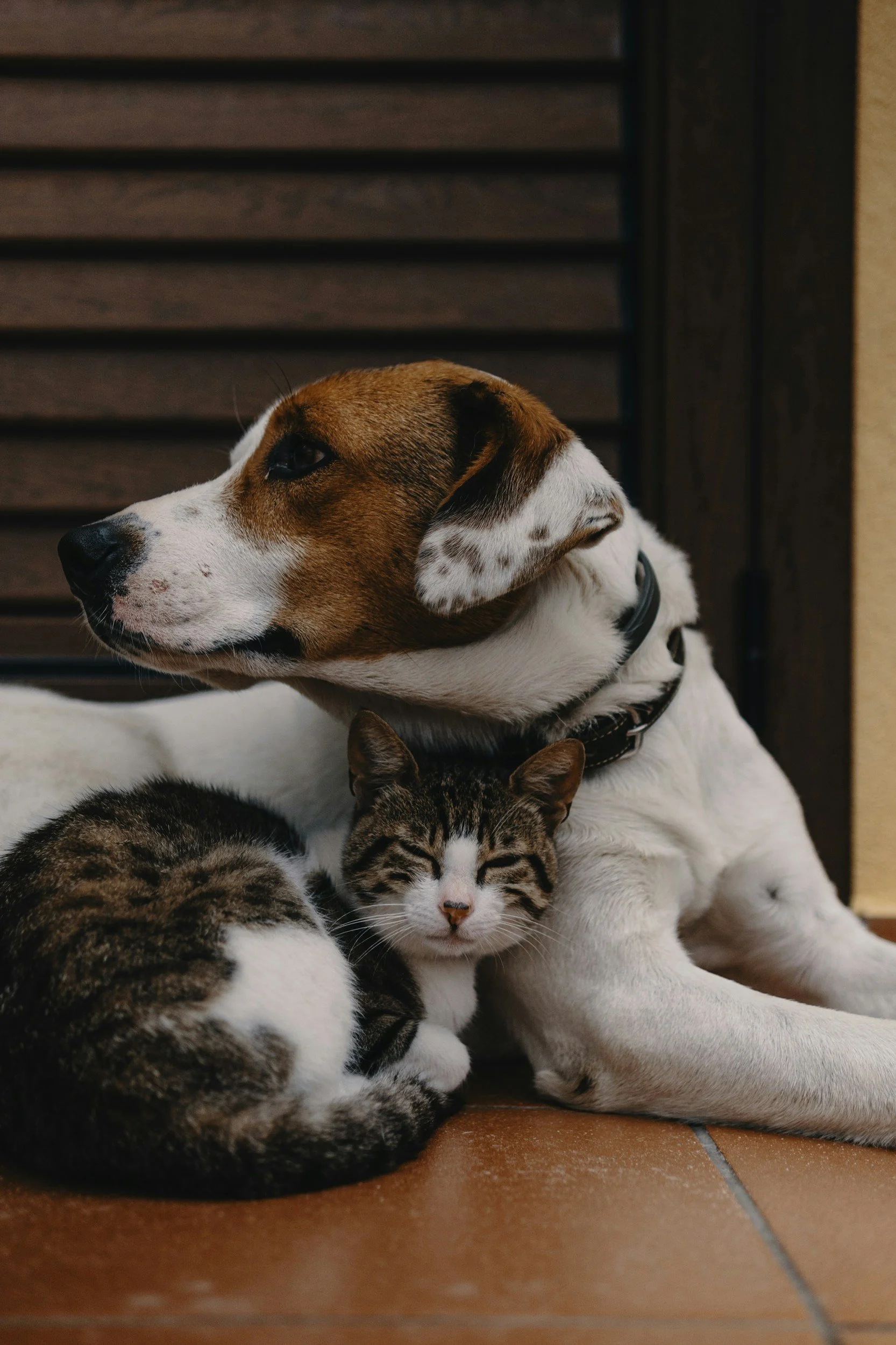
February is often called the month of love. We celebrate connection, relationships, and the people—and animals—who matter most to us.
But when it comes to our companion animals, love isn’t just about affection, treats, cute outfits, or extra attention. Real love is quieter, deeper, and far more intentional.
At the heart of Whole Pet Wellness is this truth: love looks different for every pet.
Through this lens, loving our animals means meeting their needs as the species and individuals they are—emotionally, mentally, physically, and environmentally. It invites us to move beyond one-size-fits-all care and ask a more meaningful question:
What does this pet need to feel safe, supported, happy, and well?
Emotional Wellness
Like humans, an animal’s emotional body is shaped by safety, predictability, and trust.
For pets who are anxious, reactive, highly sensitive, or who have experienced instability, constant stimulation or excessive affection can feel overwhelming rather than comforting.
Supporting emotional wellness means learning how your pet experiences the world—and responding with intention, not impulse.
Ways to support emotional wellness:

Establish predictable daily routines
Offer calm presence instead of constant interaction
Respect your pet’s need for space and decompression
Learn and honor stress signals
Love, at the emotional level, sounds like: “I see you. I’m listening. You’re safe.”
Mental Wellness
Animals are intelligent, curious, and wired to learn. When their mental needs go unmet, frustration often shows up as so-called “behavior problems”—not because they are being difficult, but because they lack clarity, engagement, or guidance.
Mental wellness isn’t about drilling commands or seeking compliance. It is about communication, confidence, and understanding.
Ways to support mental wellness:
Relationship-based training rooted in trust
Enrichment that encourages problem-solving
Clear communication and consistent expectations
Teaching skills that help pets navigate their world successfully
Love, at the mental level, sounds like: “I will guide you. I will help you understand.”
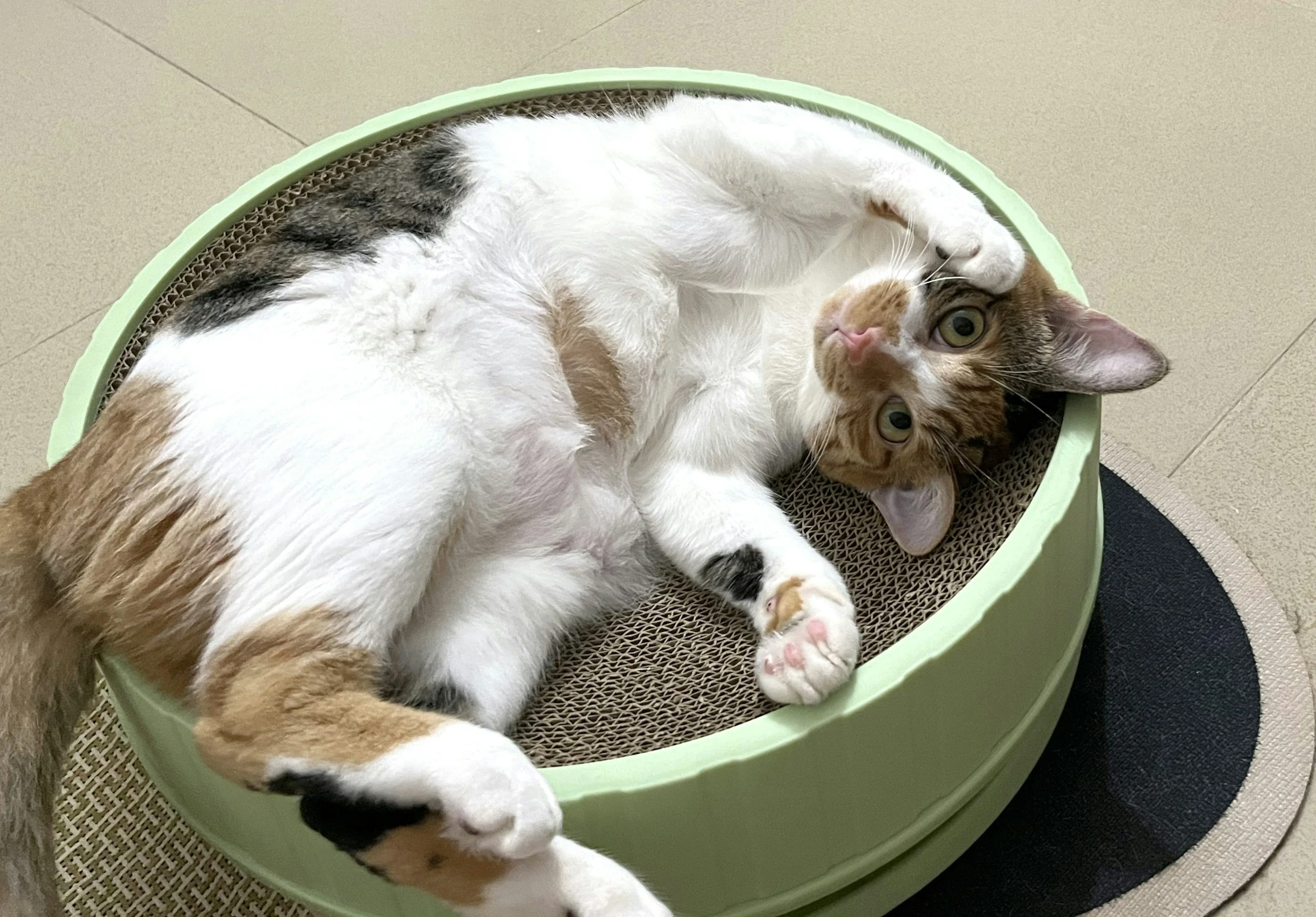
Physical Wellness
Physical love goes beyond walks and annual veterinary visits. It means supporting your pet’s body in ways that respect their biology, age, breed traits, and individual health profile.
More exercise isn’t always better. More stimulation isn’t always healthier. Often, the most loving choice is balance—supporting strength, nourishment, mobility, and recovery.
Ways to support physical wellness:
Species-appropriate, clean nutrition
Thoughtful movement—not exhaustion
Preventive care and early intervention
Adequate rest and recovery
Love, at the physical level, sounds like: “I will support your body so you can feel good living in it.”
Environmental Wellness: Loving the World Your Pet Lives In

An animal’s nervous system is profoundly influenced by their environment. Noise, chaos, and unpredictability can quietly erode wellbeing—even in pets who are deeply loved.
A supportive environment allows a pet to regulate, settle, and feel safe enough to be themselves.
Ways to support environmental wellness:
Calm, predictable home rhythms
Safe spaces for full relaxation
Reducing unnecessary stressors
Thoughtful management instead of constant correction
Love, at the environmental level, sounds like: “I will shape a world where you can settle.”
Love, Defined by Needs Met
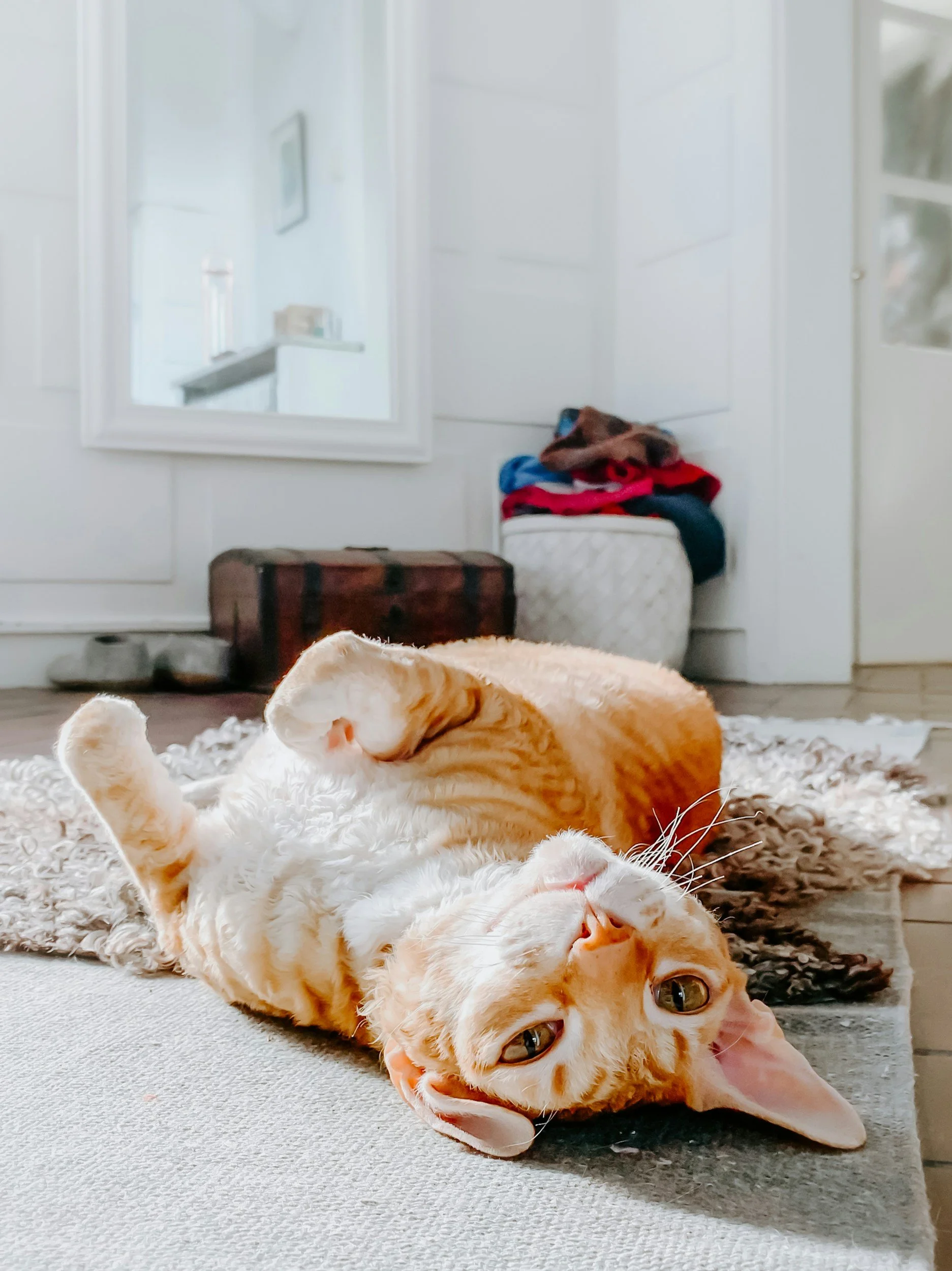
Love is clarity.
Love is structure.
Love is presence.
Love is proper nourishment.
Love is rest.
Love is meeting emotional, mental, physical, and environmental needs with intention.
Love is defined by needs met—not intentions alone.
When we care for animals this way, behavior often improves naturally—not because we forced change, but because our pet feels supported, understood, and safe.
Whole Pet Wellness is not simply about helping pets live longer lives. It’s about helping them live better ones.
